 Image 1 of 1
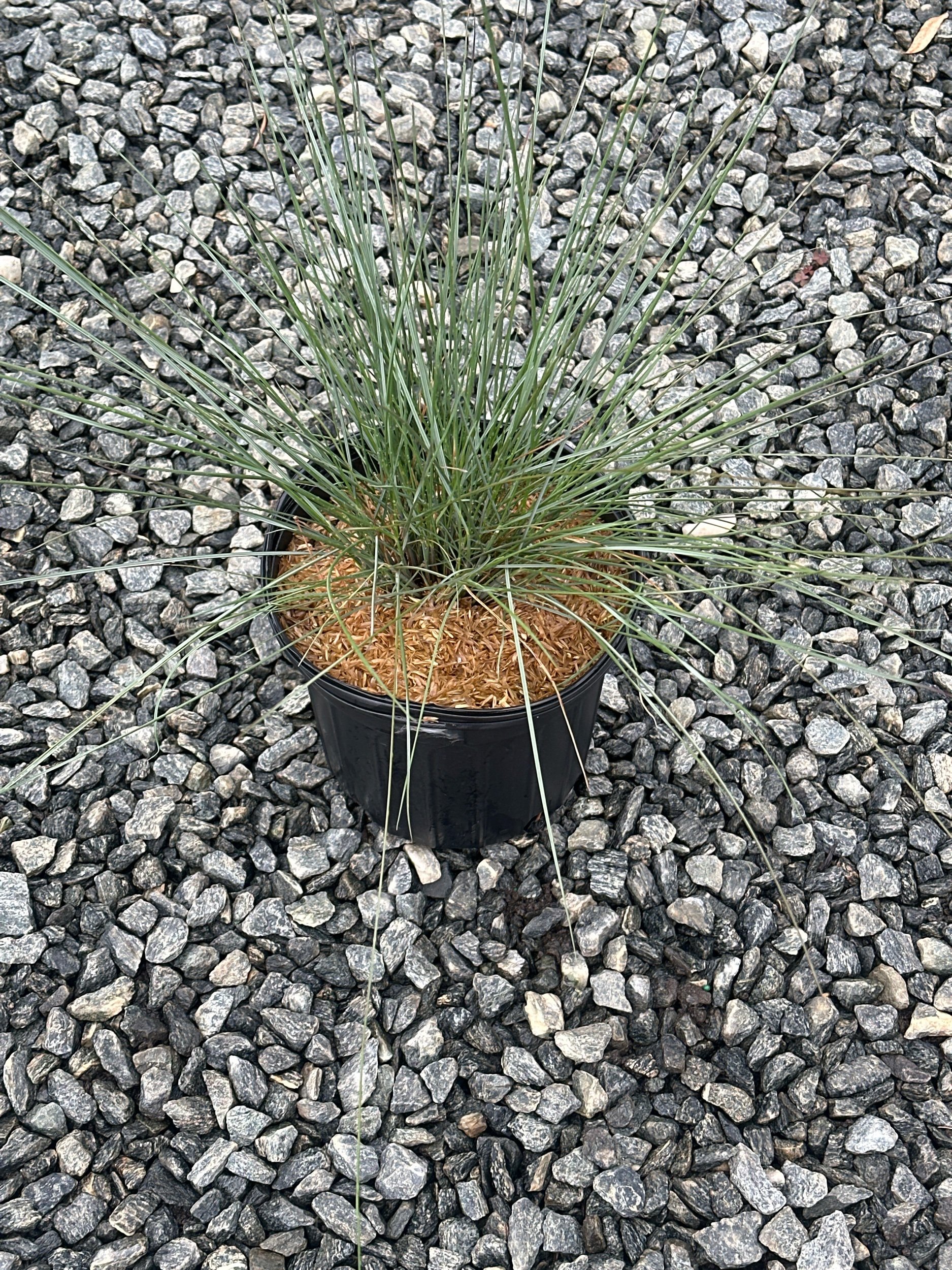
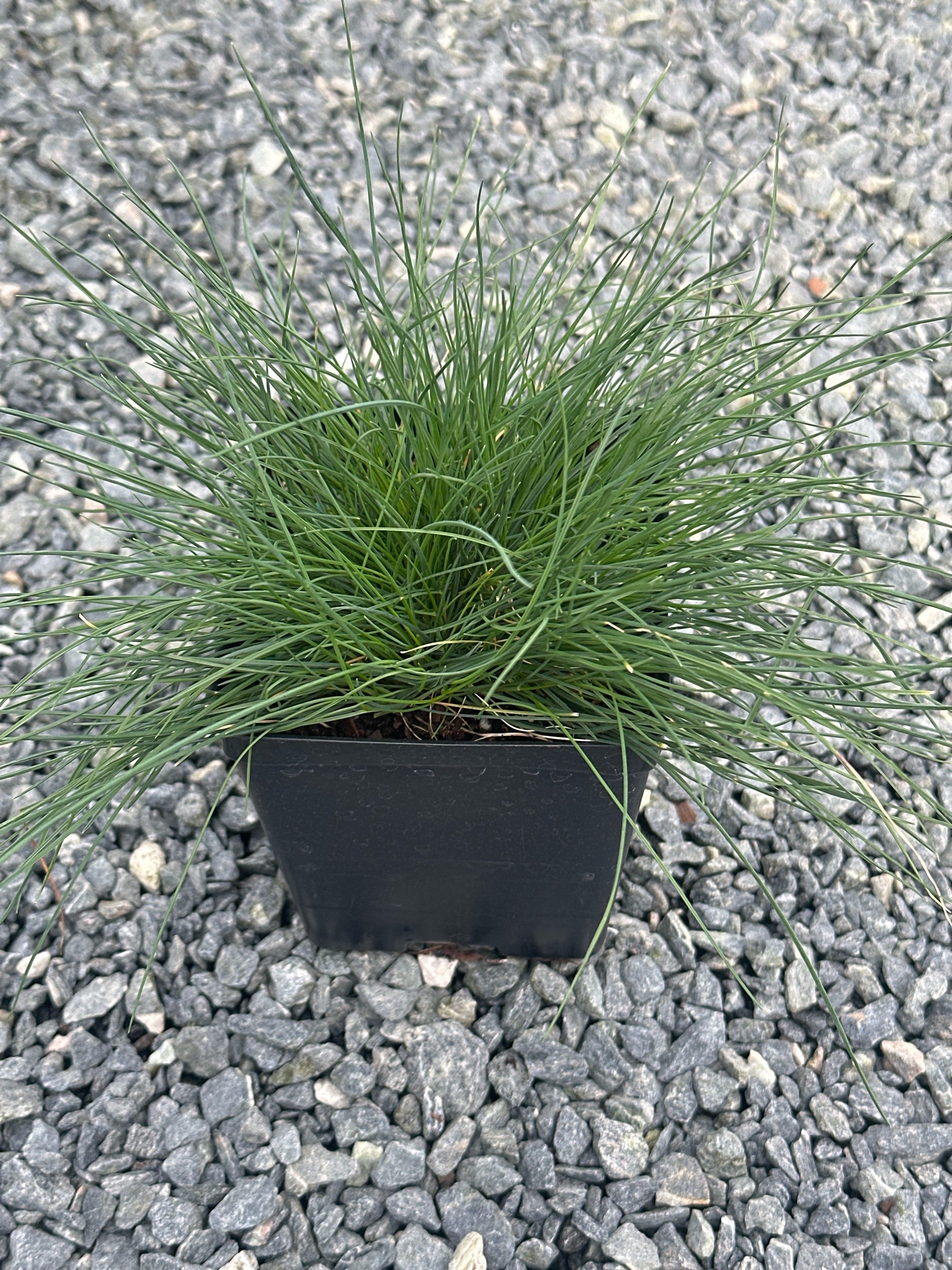
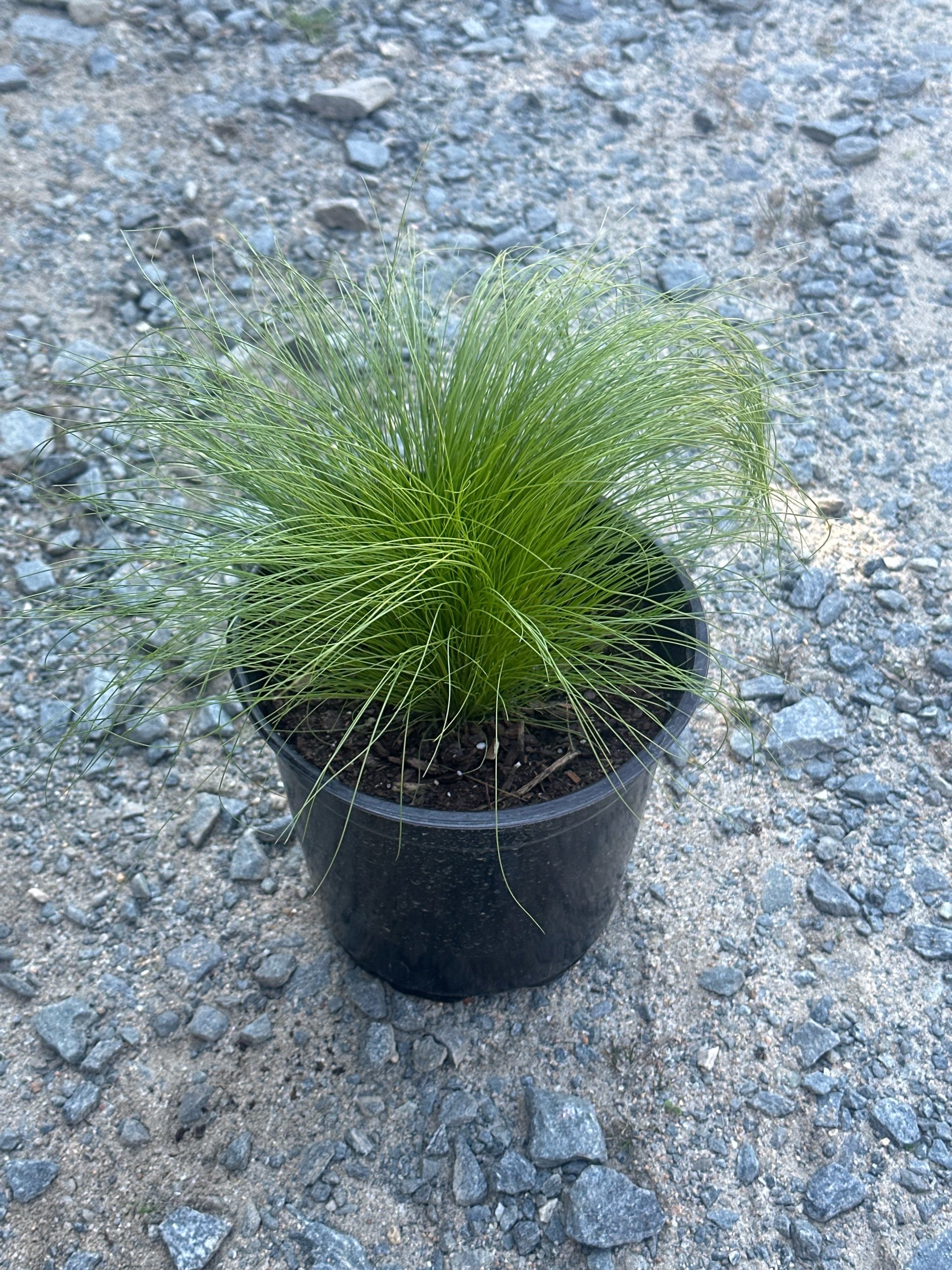
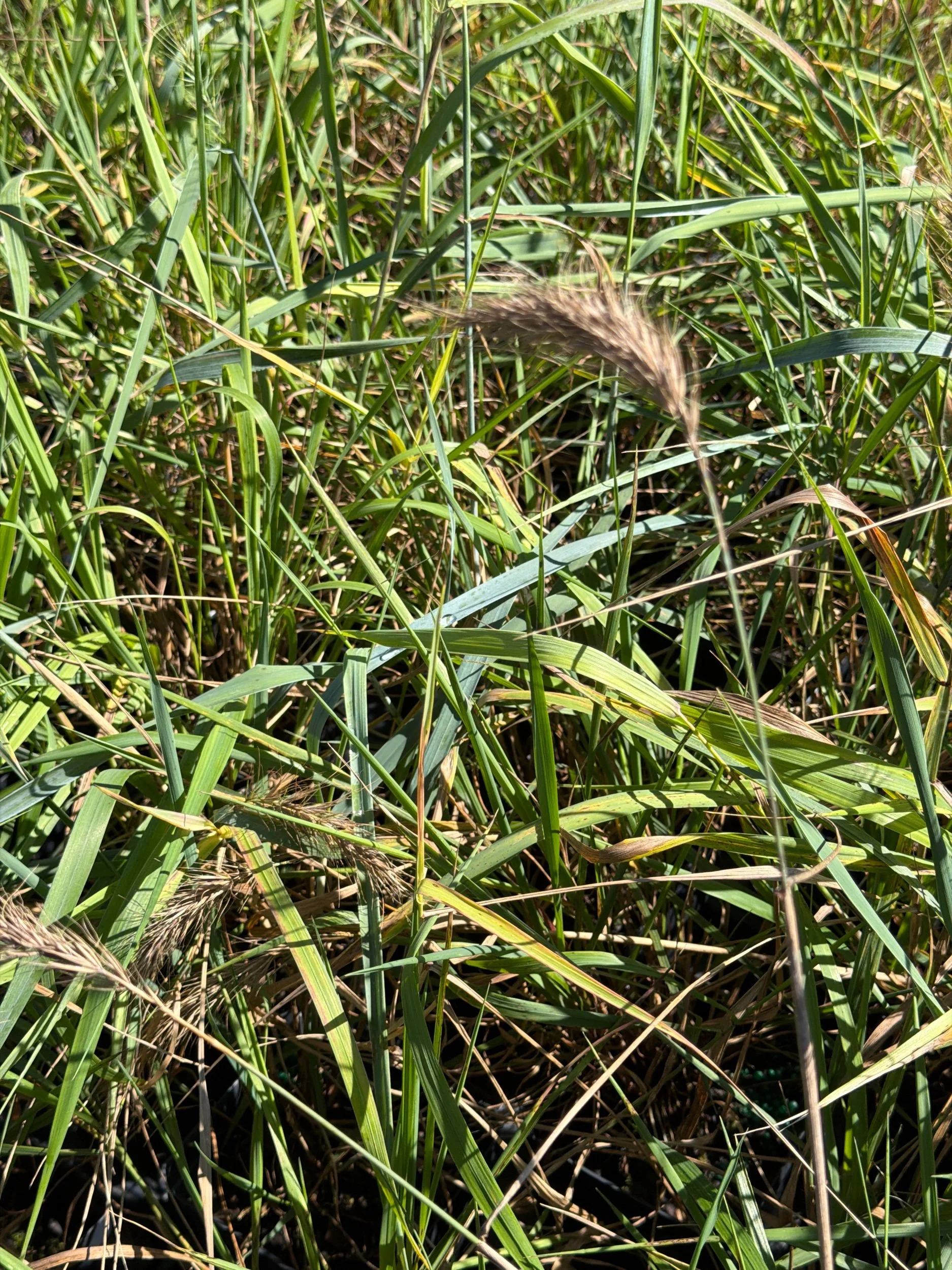
Elymus virginicus, commonly known as American wild rye or Virginia wild rye, is a native North American perennial cool-season bunch grass that forms attractive clumps with flat, narrow leaves often displaying a green to silvery-blue hue. It produces upright or sometimes nodding, bristly spike-like inflorescences resembling wheat, featuring dense clusters of spikelets with short to medium awns that give a somewhat bristly appearance. The seed heads emerge greenish in summer and mature to tan or golden tones, providing textural interest and movement in the breeze as they persist into fall. This adaptable grass thrives in a variety of habitats including moist woodlands, forest edges, riparian areas, prairies, and disturbed sites, tolerating partial shade to full sun and a range of soil conditions from rich and moist to drier. It offers valuable benefits for native landscapes, including erosion control, wildlife forage and cover, and as a companion to warm-season grasses in restoration or garden settings.
ORIGIN - NC native
EXPOSURE PREFERENCE - Shade, tolerates am sun
FLOWER COLOR - creamy white
HEIGHT - 3-4 ft
HABIT - deciduous
MOISTURE - moist/well drained
HARDINESS ZONES - 4-9
Elymus virginicus, commonly known as American wild rye or Virginia wild rye, is a native North American perennial cool-season bunch grass that forms attractive clumps with flat, narrow leaves often displaying a green to silvery-blue hue. It produces upright or sometimes nodding, bristly spike-like inflorescences resembling wheat, featuring dense clusters of spikelets with short to medium awns that give a somewhat bristly appearance. The seed heads emerge greenish in summer and mature to tan or golden tones, providing textural interest and movement in the breeze as they persist into fall. This adaptable grass thrives in a variety of habitats including moist woodlands, forest edges, riparian areas, prairies, and disturbed sites, tolerating partial shade to full sun and a range of soil conditions from rich and moist to drier. It offers valuable benefits for native landscapes, including erosion control, wildlife forage and cover, and as a companion to warm-season grasses in restoration or garden settings.
ORIGIN - NC native
EXPOSURE PREFERENCE - Shade, tolerates am sun
FLOWER COLOR - creamy white
HEIGHT - 3-4 ft
HABIT - deciduous
MOISTURE - moist/well drained
HARDINESS ZONES - 4-9